

For refinery managers aiming to maximize profit and ensure environmental compliance, knowing how to select the right Vapor Recovery Unit (VRU) is critical. The selection process primarily depends on analyzing the specific composition of the gas, peak flow rates, and discharge pressure requirements. A well-designed VRU system not only reduces volatile organic compound (VOC) emissions, but also enables valuable hydrocarbon recovery that directly impacts your bottom line.
In this guide, we break down the key criteria for choosing a VRU, compare different compressor technologies, and explain why solutions like those offered by Autower are becoming the industry standard for operational efficiency.
What Is a Vapor Recovery Unit (VRU)?
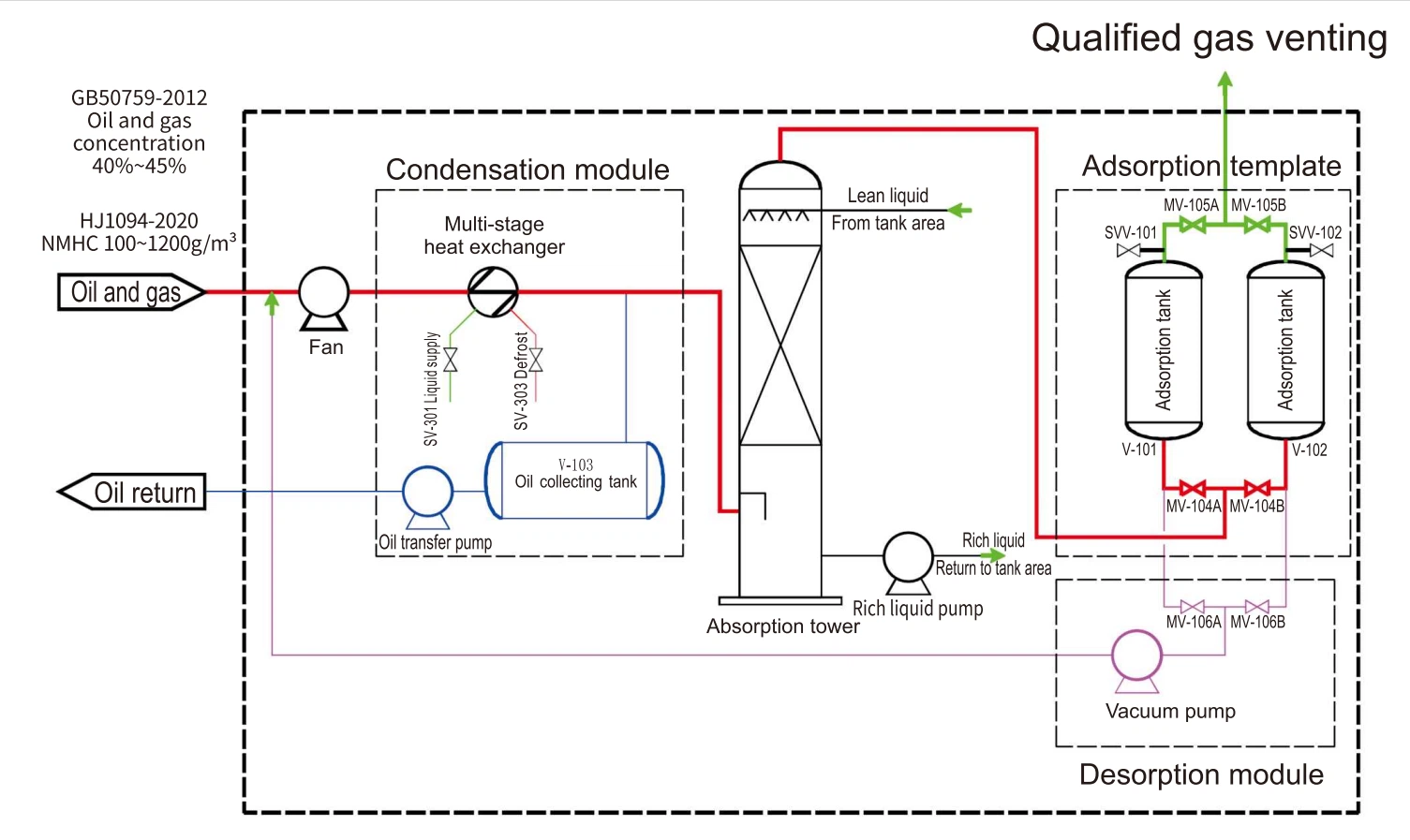
While technically defined as a compression system used to capture gas emissions, in today's market, a Vapor Recovery Unit (VRU) acts as a revenue generator. Think of a VRU not just as an environmental filter, but as a cash register that captures invisible money floating away from your tanks.
Specifically, a VRU intercepts vapor streams-rich in volatile organic compounds (VOCs), methane, and valuable hydrocarbons-that are typically vented from storage tanks, loading operations, and refinery equipment.
Without a VRU, these vapors are lost to the atmosphere, resulting in two major hits to your business: environmental pollution fines and lost product revenue. By installing a VRU, you collect these vapors, process them through purification steps, and convert what would be "waste" back into a saleable liquid or gas product. Modern VRUs can turn the cost of compliance into a direct return on investment (ROI).
Key Applications and Importance of Oil & Gas Vapor Recovery
Vapor recovery systems are indispensable not just for general compliance, but for targeting specific high-emission points in your infrastructure where product loss is most severe. Whether you are managing static storage or dynamic transfer operations, the right VRU turns these vulnerable points into closed-loop profit centers.
Instead of a one-size-fits-all approach, modern VRUs are engineered for specific equipment where vapors are generated. They are ideal for:

VRU for Crude Oil Storage Tanks
Capturing flash gas from Fixed Roof and Floating Roof Tanks, preventing valuable light ends from evaporating.

Truck & Railcar Loading Racks
Recovering displaced vapors during high-speed loading operations, often referred to as truck loading vapor recovery.
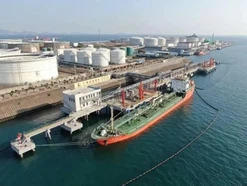
Marine Vapor Recovery Systems
Managing high-volume emissions during ship and barge loading at marine terminals.
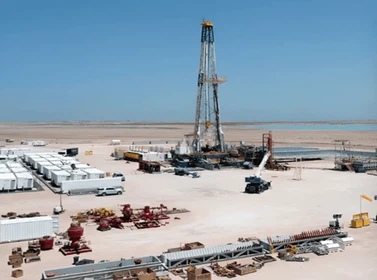
Upstream Well Sites
Deploying small scale vapor recovery units to handle casing gas or flash gas from heater treaters in remote locations.
By integrating VRUs into these specific assets, operators achieve:
(1)ROI through Hydrocarbon Recovery: Rather than venting gas from a storage tank, the VRU liquefies and returns it to the stock tank or sends it to the sales line.
(2)Strict Environmental Compliance: Ensures your Loading Racks and Tank Batteries meet stringent Quad O/Oa/Ob and other global emission standards, eliminating fines.
(3)Safety & Health Protection: Drastically reduces the concentration of VOCs and benzene around maintenance areas and active loading zones, protecting your workforce.
Different VRU Technologies Explained
Choosing the right VRU starts with understanding the physics behind the recovery. To make the selection easier, let's break down the core technologies using simple analogies:
(1)Adsorption: Think of this like a sponge soaking up water. The gas passes through a solid material (like activated carbon), and the hydrocarbons stick to the surface of the "sponge" while the clean air passes through.
(2)Condensation: This is just like fog forming on a cold window in winter. By lowering the temperature, vapor turns back into liquid droplets that can be collected.
(3)Absorption: Imagine sugar dissolving into hot tea. The gas stream is washed with a liquid solvent that "swallows" the hydrocarbons, integrating them into the liquid.
Most modern industrial VRUs combine these methods to maximize efficiency. Here are the three primary configurations:
This hybrid process works in two steps. First, it uses Absorption (the sugar-in-tea method) to dissolve the bulk of vapors into a liquid medium. Then, any remaining tricky VOCs are caught by Adsorption (the sponge method) using activated carbon.
▲Best For: Scenarios requiring high purity, such as storage tank vapor control where capturing lower concentrations of hydrocarbons is critical.

In this setup, vapors are first cooled down-Condensation (the cold window effect)-forcing heavier hydrocarbons to drop out as liquid. The remaining gas then goes through an Adsorption phase to polish off any residual VOCs.
▲Best For: Applications with variable gas compositions containing both heavy and light hydrocarbons, offering a balanced approach to recovery.

This is the "all-in-one" powerhouse, combining all three mechanisms for maximum recovery:
1.Absorption removes the heavy lifting of the hydrocarbon load.
2.Condensation recovers the heavier fractions by cooling them into liquid.
3.Adsorption acts as the final "sponge," capturing trace VOCs for deep purification.
▲Best For: High-spec installations like refineries and petrochemical complexes. This configuration offers the highest recovery efficiency, crucial for meeting the most stringent regulatory environments.
If your vapor stream contains oxygen (common in truck loading applications), avoid simple compression systems due to explosion risks. For these scenarios, an adsorption-based VRU with a vacuum regeneration cycle is the industry standard for safety.
Pros and Cons of Each VRU Configuration
Each recovery technology offers unique advantages and limitations. A comparison will help you understand which fits your project and emission targets.
|
Technology |
Key Advantages |
Primary Limitations |
|
Absorption + Adsorption |
• Economical: Lower operational costs. • Effective: Strong performance for heavy VOCs. |
• Limited Range: May struggle to capture very light hydrocarbons effectively. |
|
Condensation + Adsorption |
• Versatile: Handles wide variations in vapor composition. • Efficient: Delivers solid recovery rates. |
• High OpEx: Significant energy consumption due to cooling/chilling requirements. |
|
Absorption + Condensation + Adsorption |
• Top Performance: Highest VOC removal & hydrocarbon recovery. • Eco-Friendly: Best for strict environmental compliance. |
• High CapEx: Higher initial investment cost. • Complex: More intricate system to operate and maintain. |
1.Installation requirements: More stages generally mean more space and integration work.
2.Maintenance complexity: Multistage systems can require more maintenance and skilled operators, VRU maintenance costs and downtime risks can be higher if not properly managed.
3.Energy use: Cooling and vacuum systems add to ongoing operational costs.
The right choice depends on your vapor composition, emission standards, process priorities, and economic constraints.

How to Choose the Right VRU for Your Scenario
Selecting the best Vapor Recovery Unit (VRU) requires matching the system's capabilities with your site's unique physics and economics. Whether you need a massive unit for a terminal or small scale vapor recovery units for remote wellheads, start by answering the critical questions in the checklist below.
Before consulting with a manufacturer, gather the following data points to ensure an accurate system design:
1.Daily Throughput: What is your peak gas flow rate? (measured in m³/h or SCFM).
2.VOC Concentration: Is the hydrocarbon concentration High (rich gas) or Low (lean gas)?
3.Ambient Conditions: What are the temperature extremes? (e.g., Extreme heat affects cooling efficiency; extreme cold affects condensation).
4.Operation Type: Is the flow continuous (e.g., production sites) or intermittent (e.g., loading racks)?
5.Emission Goals: What is the specific mg/L or ppm limit required by local regulations?

precision in automatic liquid loading
excellence in vapor recovery unit
Never rely on generic "crude oil" data. Vapor composition changes drastically from the wellhead to the refinery. Insist on a site-specific lab analysis. A VRU designed for "lean" gas will fail catastrophically if the actual stream is "rich," potentially saturating the carbon beds instantly.
Once you have your checklist data, apply it to these decision factors:

1. Vapor Composition and Concentration
◇High VOC Concentrations: Typically favor multi-stage systems (e.g., Absorption + Condensation + Adsorption) to handle the heavy load effectively.
◇Lower Hydrocarbon Concentrations: Can often be efficiently handled with simpler, adsorption-focused units using activated carbon.
2. Process Application Context
◇Tank Farms & Petroleum Terminals: These sites often benefit from Condensation + Adsorption systems. This combination excels at recovering both heavy fractions (for return to stock) and polishing light fractions.
◇Oilfield Production: May leverage Adsorption or Hybrid systems to capture flash gas, minimizing emissions while recovering saleable gas for the pipeline.


3. Operational & Environmental Needs
◇Throughput Sizing: Accurately estimating your cubic meters per hour (m³/h) is crucial. Undersizing leads to venting (compliance failure), while oversizing leads to unnecessary CapEx.This is particularly important when sizing small scale vapor recovery units where efficiency at low flow is key.
◇Temperature Management: If your facility is in a high-temperature region, standard cooling may not be enough. Recent simulation studies on optimized oil depot VRUs have highlighted that high ambient temperatures can significantly degrade absorption efficiency.
4. Budget vs. Lifecycle Value
Don't just look at the sticker price. Balance your immediate Capital Expenditure (CapEx) against long-term operational savings and potential VRU maintenance costs. A more efficient system might cost more upfront but will pay for itself faster through maximized hydrocarbon recovery and avoided regulatory penalties.

The Pre-cooling Advantage: In summer conditions, incorporating pre-coolers to lower the vapor inlet temperature (e.g., reducing typically from 45°C to 30°C before the adsorption tank, and from 100°C to 35°C before the absorption tower) is proven to be critical. This ensures the carbon bed performs optimally and prevents emission spikes.
Series vs. Parallel Cooling: When designing the cooling stage, consider the configuration's impact on OpEx. Engineering case studies indicate that connecting pre-coolers in a series configuration (utilizing the same cooling water stream sequentially) consumes less water-saving approximately 5% to 8% in total water usage compared to parallel setups-while still achieving the required heat exchange targets.
Facilities rarely run at 100% capacity all the time. Ensure your selected VRU has a high "turndown ratio" (the ability to operate efficiently at low flow rates). A system that constantly starts and stops due to low flow will experience premature compressor failure and higher maintenance costs.
Autower's VRU Systems: A Smart Choice for Global Operators
The landscape of industrial manufacturing has shifted. Today, top-tier Chinese manufacturers are not just exporting hardware; they are exporting advanced engineering standards. Autower stands at the forefront of this shift. With vapor recovery systems successfully deployed in over 70 countries, Autower has evolved from a domestic leader into a global technology partner.
International buyers choose Autower not just for competitive pricing, but for our adherence to stringent international safety and quality standards. We bridge the gap between cost-effective manufacturing and world-class reliability.
1. Certified Quality & Compliance (ASME, CE, ATEX)
We understand that regulatory compliance is non-negotiable. Autower VRU systems are engineered to meet the strictest global standards.
Pressure Vessels
Design and fabrication compliant with ASME standards.
European Market
Full CE marking compliance.
Hazardous Environments
Electrical components and system designs certified under ATEX directives for explosion-proof safety.
2. Proven Track Record in 70+ Countries
Experience matters. From the heat of the Middle East to the cold of Northern Europe, Autower units are running reliably. We understand the logistics, documentation, and technical nuances of exporting complex machinery to diverse regions.
3. Global After-Sales & Lifecycle Support
Distance is not a barrier. We prioritize after-sales service to ensure your plant's uptime and keep VRU maintenance costs predictable:
♦Remote Monitoring: Smart control panels allow for remote diagnostics.
♦Spare Parts: Robust supply chain management ensures critical parts are available when you need them.

Autower offers a comprehensive range of solutions, all featuring skid-mounted designs for easy shipping and rapid "plug-and-play" installation:
♦Condensation + Adsorption VRUs: Our flagship hybrid system for maximum efficiency in capturing Methane, VOCs, and NGLs.
♦Loading Gantry VRUs: Specialized high-efficiency units for terminals, featuring activated carbon selective adsorption.
♦Refinery & Tank Farm Systems: Integrated solutions designed as a specialized VRU for crude oil storage tanks to handle the complex vapor mixtures found in large-scale petrochemical complexes.
♦Oilfield Recovery Units: Robust systems built to recover saleable gas directly from production lines, turning waste into revenue.
♦Small Scale Vapor Recovery Units: Compact, efficient units designed for smaller facilities or remote well sites with lower throughput requirements.
Every site is unique, but safety standards are universal. Autower combines modular customization (tailoring throughput, vapor type, and automation) with standardized manufacturing protocols. This ensures that while your VRU is built for your specific needs, the quality remains consistently world-class.
Conclusion: Turning Emissions into Opportunity
Selecting the right Vapor Recovery Unit (VRU) is more than just a regulatory check-box; it is a strategic decision that balances environmental compliance with operational ROI. As detailed in our selection checklist, the optimal choice-whether it's Absorption, Condensation, or a Hybrid system-depends heavily on your specific throughput, vapor composition, and site conditions.
In a market demanding both precision and reliability, Autower stands out as your global partner. We bridge the gap between cost-effective manufacturing and world-class engineering standards.
By choosing Autower, you are securing:
♦Certified Safety: Systems built to ASME, CE, and ATEX standards.
♦Global Support: A proven track record of service in over 70 countries.
♦Custom Fit: Tailored solutions that maximize hydrocarbon recovery.

Don't leave your compliance to chance. Contact Autower's engineering team today for a consultation and find the perfect VRU configuration for your facility.


