Products Description
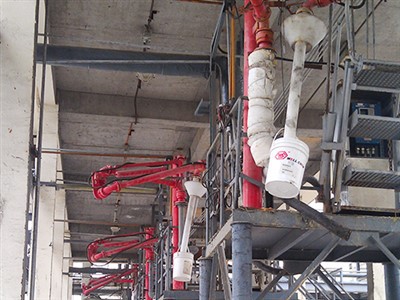
The API Bottom Loading Skid is a closed-loop fluid handling system specifically designed for hazardous chemicals, refined oils (gasoline, diesel).
It utilizes the API Standard Socket at the bottom of the tanker for material transfer, working in tandem with a Vapor Recovery Arm at the top to capture emissions. Fully compliant with environmental (VOCs control) and safety regulations, this system is the standard equipment for modern large-scale refineries, oil depots, and chemical terminals.
Products Specification
| Bottom skid-mounted structure |
Bottom loading type |
| There are two types: unilateral and bilateral | The length is about 4-6 m |
| Fluid medium | Gasoline, diesel, kerosene and other refined oil |
| Material of wetted pipes or parts | 20# carbon steel,304 SS,316SS |
| Matching loading arm | Metal hose with dry coupler |
| Matching flow meter | Mass flow meter, dual rotor flow meter optional |
| Matching valve | Pneumatic two-stage valve and electro-hydraulic valve are optional |
| Matching overfill grounding protector | Bottom-mounted integrated type, with standard API connector, self-equipped with level switch tanker |
| Other Matching instruments | Pressure gauge, bimetal thermometer |
| Other matching process equipment | Expansion joints, manual valves, stop valves, etc. |
| Connector | Cables, galvanized pipes, bridges, explosion-proof flexible pipes, etc. |
System Structure
The API Bottom Loading Skid features a compact design composed of four major units:
1. Liquid Loading Unit (Bottom)
API Bottom Loading Arm: Typically constructed with stainless steel hoses or rigid arms, equipped with an API 1004 Standard Dry Break Coupler at the end.
Self-Locking Mechanism: Automatically locks upon connection with the tanker socket to prevent accidental disconnection.
2. Vapor Recovery Unit (Top)
Vapor Recovery Arm: Mounted on the upper column, used to connect to the tanker's API vapor port.
Flame Arrester: Usually installed on the vapor line to prevent flashback.
Function: Channels vapors displaced by the rising liquid back to the storage tank or processing unit.
3. Metering & Control Unit (Skid Base)
Mass Flow Meter: High-precision metering (e.g., Coriolis flow meter) for trade settlement.
Batch Controller: The "brain" of the system, responsible for setting loading quantities, controlling valves, and displaying data.
Pneumatic Shut-off Valve: Executes opening/closing actions with a fast-closing feature for emergency cuts.
4. Safety Interlock Unit
Overfill Sensor: Inserted into the tanker's top vapor port (API 1004 standard probe); sends a signal to the controller to stop the pump immediately when the liquid level touches the probe.
Static Grounding Interlock: The system only allows startup if the static grounding clamp is connected.
Pedestal Sensor: Detects if the tanker is correctly positioned in the loading bay.
Operating Principle
The core principle of the API Bottom Loading Skid is "Bottom In, Top Out; Vapor-Liquid Balance."
1. Physical Connection:
Liquid Phase: The operator quickly connects the API Coupler at the end of the loading arm to the API Socket at the bottom of the tanker.
Vapor Phase: The top Vapor Recovery Arm is connected to the tanker's Vapor Port.
2. Fluid Dynamics:
Inlet: The pump starts, and material enters the tanker through the bottom piping. Since the feed is from the bottom, the liquid rises smoothly without splashing, significantly reducing static electricity generation.
Exhaust: As the liquid level rises, vapors inside the tanker are compressed. Since the vapor arm is connected to the storage tank's vapor line, the vapors are "pushed" back to the tank, forming a closed loop and achieving zero emissions.
3. Safety Logic (Interlocking):
The system employs a "Series Interlock" logic. The pneumatic valve will only open when Static Grounding is Normal + Overfill Probe Inserted + Bottom Coupler Connected.
Once the overfill probe contacts the liquid, the circuit closes (or opens), and the controller cuts the main valve within milliseconds to prevent overflow.
Workflow
1. Vehicle Positioning & Grounding:
The tanker drives into the loading bay and engages the handbrake.
Connect the Static Grounding Clamp; the system confirms the grounding resistance is qualified.
2. Piping Connection:
Bottom: Retrieve the API bottom loading arm, align the coupler with the tanker's bottom socket, and push to lock (listen for the "click").
Top: Extend the vapor recovery arm and connect it to the tanker's top vapor port.
Overfill Protection: Insert the overfill probe (usually integrated with the vapor arm or separate) into the tanker's top detection port.
3. Parameter Setting & Start:
Input the loading quantity on the batch controller (e.g., 30 tons).
Press the "Start" button. After a successful self-check, the pneumatic valve opens, and loading begins.
4. Loading Process:
Material is injected smoothly from the bottom.
Vapors are returned to the storage tank via the top recovery arm.
5. Completion & Disconnection:
Upon reaching the set quantity, the valve automatically closes, and the pump stops.
Drain Residuals: Open the drain valve to empty the arm (preventing splashing during disconnection).
Disconnect the vapor arm and reset.
Disconnect the bottom API coupler (the dry break mechanism ensures no dripping upon disconnection) and reset.
Core Advantages Summary
Environmental Protection
Fully closed-loop; vapor recovery rate >99%; no volatilization or odor; compliant with the strictest environmental regulations.
Safety and Cleanliness
No splashing (bottom feed); extremely low static risk; overfill protection eliminates tank overflow accidents.
No dripping; keeps the ground clean and oil-free.
Efficiency
Quick connection (API coupler pushes and locks); no need to climb the tanker roof; single-person operation; fast loading speed.
Product Application


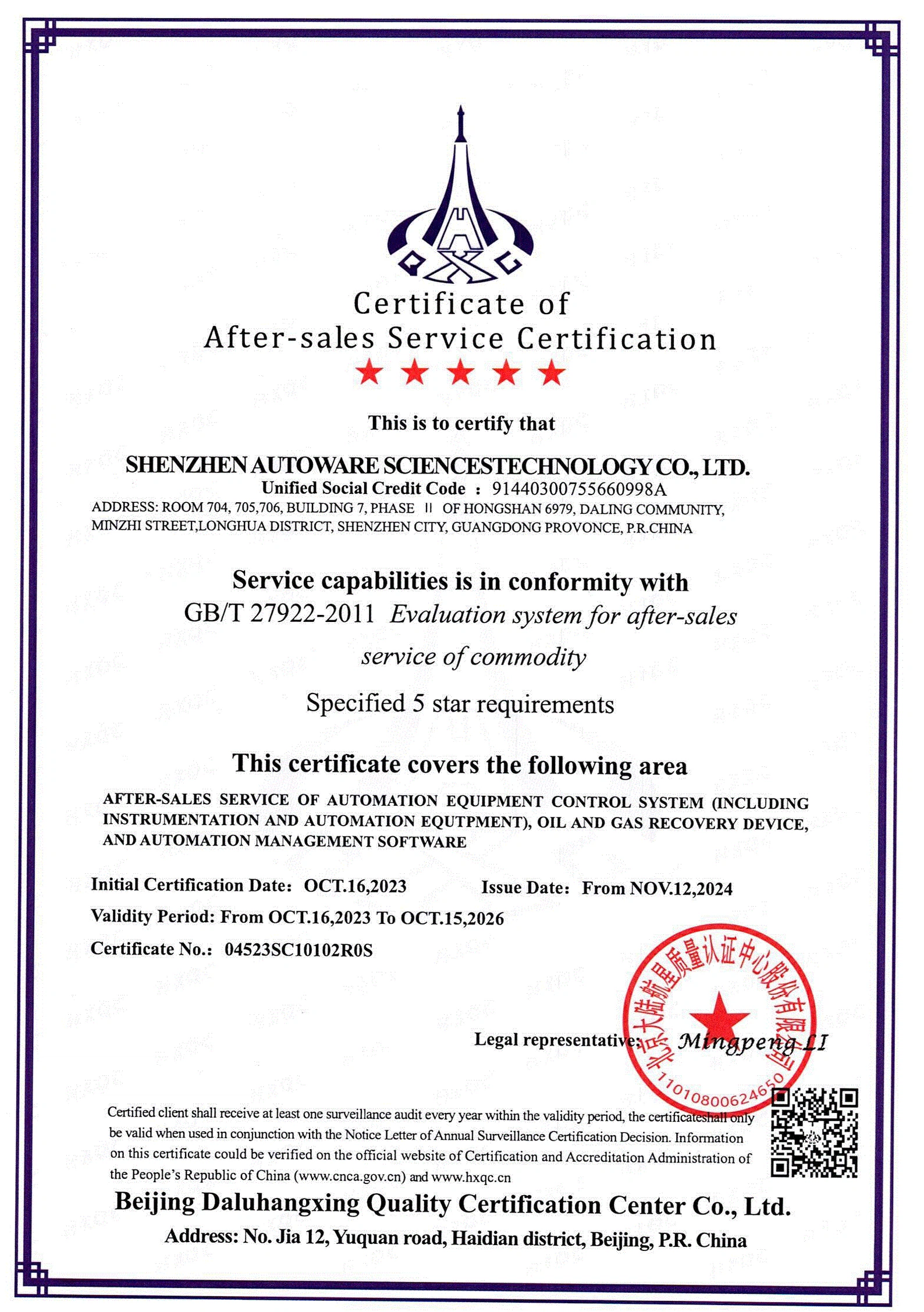
Certificates



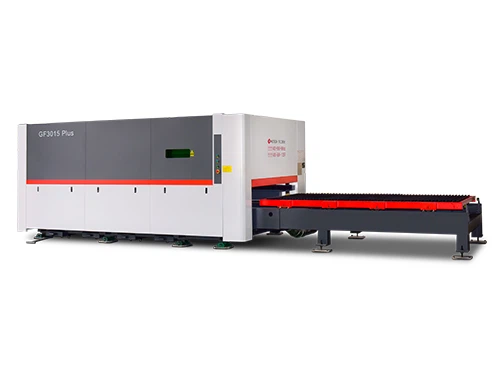
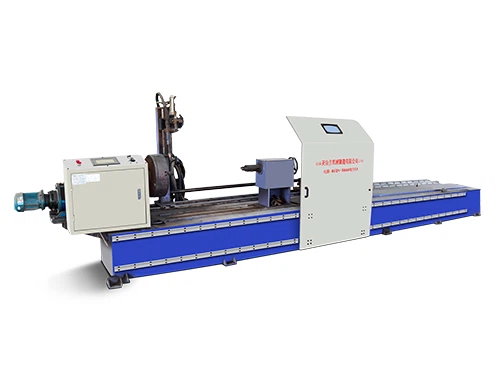
Production Equipments


Hot Tags: API Bottom Skid-mounted Metering System, China, suppliers, manufacturers, factory, customized, price, quotation, in stock, automatic bathing system controller, folding stairs for truck access platform, loading arm systems, petroleum swivel joint for loading system, Loading arm Parking device, loading arms and unloading arms